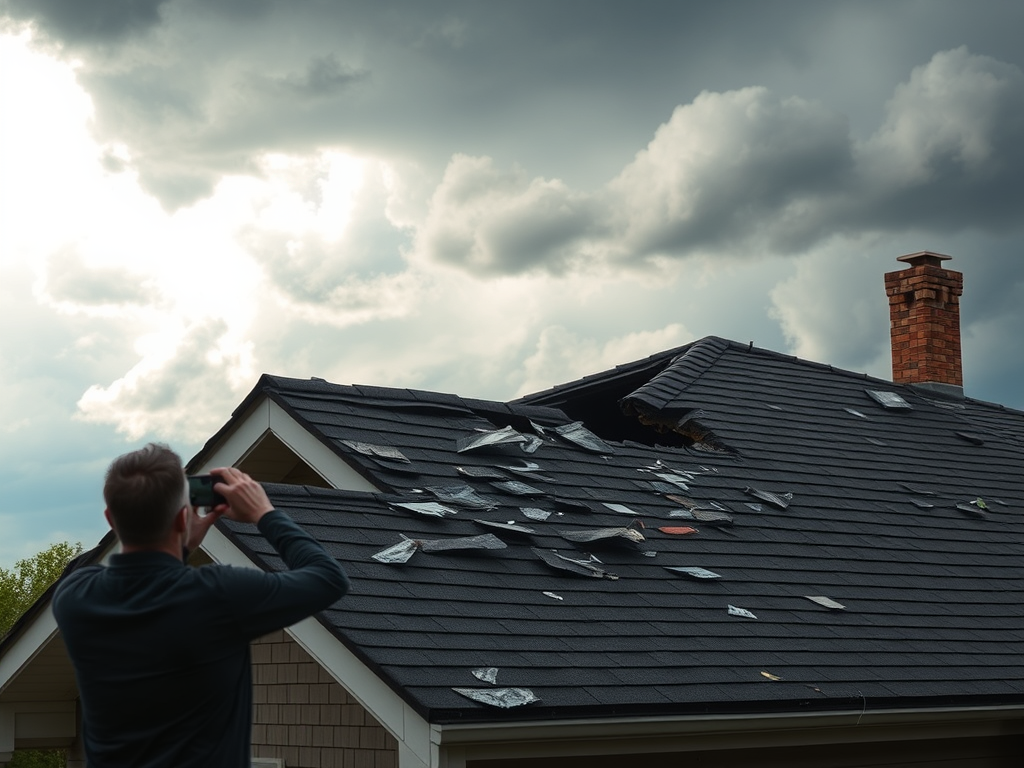
A Step-by-Step Guide for Homeowners After Hail and Wind Damage
Oklahoma homeowners deal with some of the most severe weather conditions in the United States. Hailstorms, straight-line winds, and severe thunderstorms regularly impact roofs across Oklahoma City, Edmond, Norman, Moore, Yukon, Tulsa, and surrounding communities.
After a storm, many homeowners know damage might exist but aren’t sure how to properly start an insurance claim or what insurance companies expect during the process.
This guide explains how roof insurance claims typically work in Oklahoma, what steps to take first, and how to move through the process clearly and responsibly.
The goal is simple: help Oklahoma homeowners understand the system before making decisions.
Why Roof Insurance Claims Are Common in Oklahoma
Oklahoma sits in one of the most active hail corridors in North America. According to regional weather data and long-term storm tracking:
- Large hail events occur frequently between March and June
- Wind-driven storms often produce shingle lifting and sealing failures
- Multiple storms may impact the same roof within a single season
- Insurance carriers regularly handle large volumes of claims after metro-wide events
Because of this, most Oklahoma insurance policies include separate wind and hail deductibles, which are often higher than standard deductibles.
Understanding this upfront prevents surprises later in the claim process.
Step 1: Confirm Storm Activity in Your Area
Insurance coverage generally applies to sudden storm-related damage, not aging or normal deterioration.
Before opening a claim, homeowners should confirm:
- A recent hail or wind event occurred
- Damage appeared after the storm
- Neighbors or nearby properties experienced similar impacts
In Oklahoma, adjusters commonly reference:
- Local storm reports
- Radar-confirmed hail size
- Date-of-loss consistency with weather records
Having a reasonable timeline helps the claim process move faster.
Step 2: Safely Document Roof and Property Conditions
Documentation is one of the most important steps homeowners can take.
From the ground level, document:
- Missing or lifted shingles
- Granule accumulation near downspouts
- Dented gutters or metal roof components
- Damaged vents or flashing
- Fallen limbs or debris impacts
- Interior water stains or ceiling leaks
Take both wide and close-up photos. Avoid climbing onto steep or damaged roofs — post-storm injuries are common and insurance companies do not require homeowners to perform roof inspections themselves.
Early documentation helps avoid disputes about when damage occurred.
Step 3: Review Your Oklahoma Insurance Policy First
Before filing, understand how your policy handles roofing claims.
Common Oklahoma policy structures include:
Replacement Cost Value (RCV)
Insurance pays full replacement cost minus deductible, with depreciation released after work is completed.
Actual Cash Value (ACV)
Older roofs may only be covered for depreciated value based on age and condition.
Wind and Hail Deductibles
Often calculated as a percentage of home value rather than a flat dollar amount.
Cosmetic Damage Exclusions
Some policies exclude dents or appearance-only damage to metal components.
Knowing your coverage helps you understand whether filing a claim makes financial sense.
Step 4: Open the Claim With Your Insurance Carrier
Claims can typically be opened through:
- Insurance company phone line
- Online customer portal
- Mobile application
You’ll usually provide:
- Policy number
- Approximate storm date
- Description of observed damage
- Contact information
Opening a claim simply starts the evaluation process. Approval or denial happens after inspection.
Step 5: Understanding the Adjuster Inspection in Oklahoma
After a claim is opened, an insurance adjuster is assigned to inspect the property.
In Oklahoma, adjusters commonly look for:
- Hail impact bruising on asphalt shingles
- Wind creasing or lifted shingle tabs
- Directional damage patterns consistent with storms
- Damage to soft metals (vents, flashing, gutters)
- Evidence of age-related wear vs storm damage
Adjusters typically use estimating software such as Xactimate, which standardizes pricing across the insurance industry.
Being present during inspection allows homeowners to ask questions and understand findings in real time.
Step 6: Review the Insurance Estimate Carefully
After inspection, the insurance company provides a written estimate outlining:
- Approved scope of work
- Measurements and materials
- Depreciation amounts
- Deductible subtraction
- Code upgrade allowances when applicable
Common Oklahoma issues homeowners should watch for:
- Incorrect roof measurements
- Missing ventilation components
- Underestimated accessory items
- Incomplete ridge or flashing replacement
If something appears incorrect, homeowners can request clarification or a reinspection.
Step 7: Completing Repairs and Closing the Claim
If approved:
- Repairs or replacement are completed.
- Final documentation is submitted.
- Recoverable depreciation is released (RCV policies).
- Claim is closed.
Keeping records organized helps prevent payment delays.
Common Mistakes Oklahoma Homeowners Make After Storms
- Filing claims without confirming damage
- Waiting months after a storm before documenting issues
- Assuming every hailstorm qualifies for replacement
- Signing contracts before reviewing insurance scope
- Ignoring deductible amounts
Insurance claims work best when treated as a documentation process rather than a negotiation.
Oklahoma-Specific Reality: Storm Cycles and Claim Timing
Oklahoma often experiences multiple hail events in one season, especially across central Oklahoma and the I-35 corridor. Insurance companies may compare damage patterns between storms to determine when damage occurred.
Filing claims promptly after confirmed storms helps avoid confusion between events.
Frequently Asked Questions
How long do I have to file a roof claim in Oklahoma?
Many policies allow up to one year from the date of loss, but timelines vary. Always verify with your insurer.
Will filing a claim automatically raise my insurance rates?
Rate changes are typically influenced by regional storm activity rather than a single claim.
Can a denied claim be reviewed again?
Yes. Homeowners can request a reinspection if new information or damage is identified.
Do all hailstorms qualify for a new roof?
No. Damage must affect the functional performance of the roof, not just appearance.
Final Thoughts for Oklahoma Homeowners
The Oklahoma roofing insurance process is built around documentation, verification, and consistency with storm data. Homeowners who understand how claims work before filing are better prepared to make informed decisions and avoid unnecessary stress after severe weather.
Approaching the process calmly and methodically usually leads to the best outcomes.
Check out our Guide on Why Insurance Claims get Denied

Leave a Reply